
Which Embryo Transfer Protocol Helps Lower the Risk of Preeclampsia? Natural cycle frozen embryo transfer may help lower the risk of preeclampsia.
Preeclampsia is a pregnancy complication characterized by high blood pressure, which may be accompanied by protein in the urine (proteinuria), as well as organ dysfunction and widespread blood vessel abnormalities. In severe cases, it can lead to seizures (eclampsia) and pose life-threatening risks to both the mother and the baby.
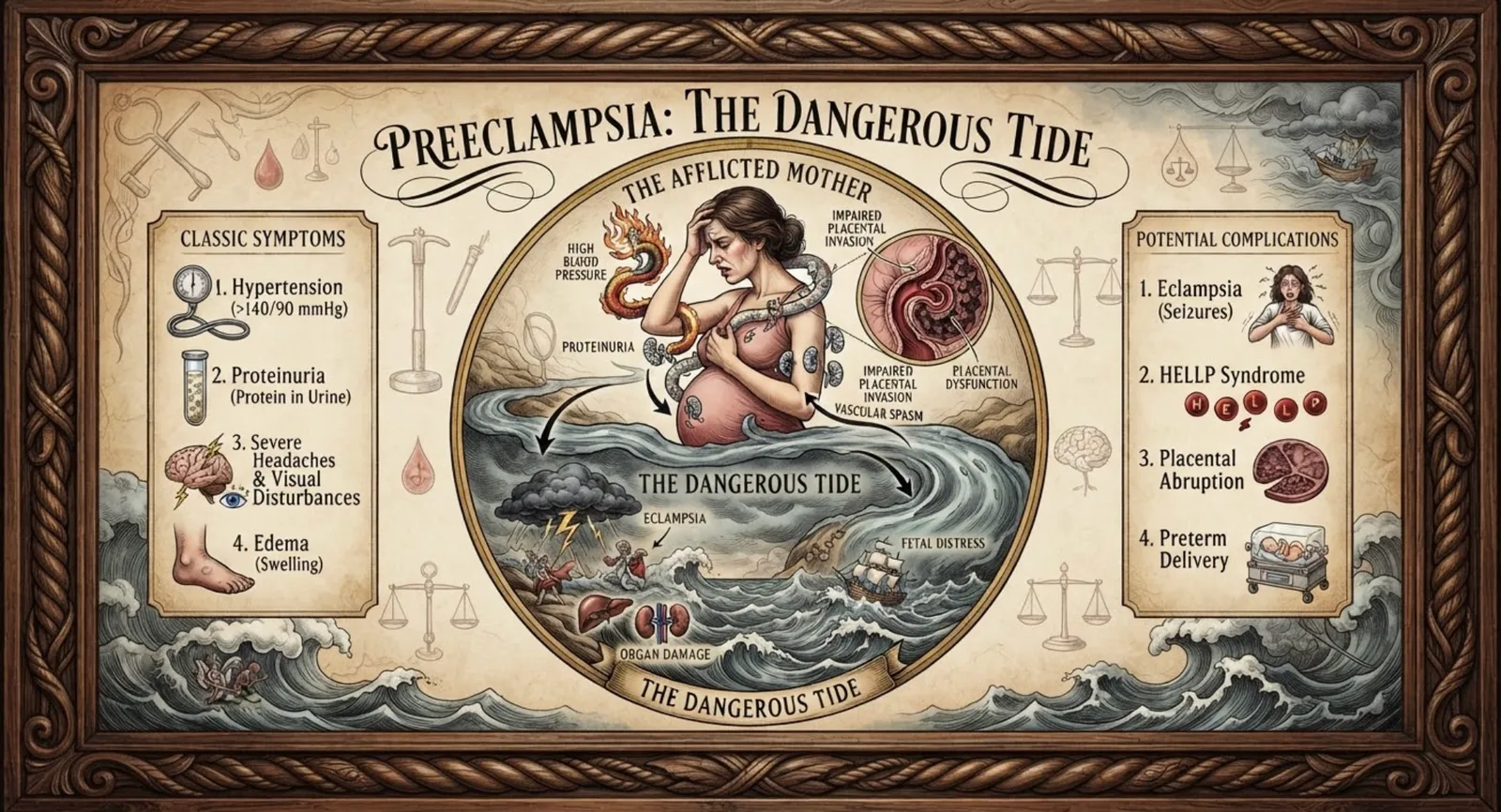
Natural Cycle Embryo Transfer May Help Lower the Risk of Preeclampsia
The treatment for preeclampsia depends on its severity and gestational age, with delivery being the only definitive cure. Consequently, if preeclampsia develops early in pregnancy, a preterm delivery may be necessary to protect both mother and baby from serious complications.
While this condition can sound alarming, who is most at risk?
Preeclampsia can affect any pregnant woman, though the risk is higher in women of advanced maternal age—particularly those aged 35 and older—as well as those who conceive through assisted reproductive technology (IVF/ICSI), as many fertility patients may also have advanced age or other underlying risk factors. Therefore, undergoing IVF is one of the factors taken into consideration when assessing preeclampsia risk.
Question: How can we lower the risk of preeclampsia during IVF? Answer: Natural Cycle Frozen Embryo Transfer (NC-FET) is a compelling option to consider.
Once embryos are created, they are cryopreserved (frozen) and later transferred once the uterine lining (endometrium) is properly prepared. In general, there are two primary approaches to endometrial preparation:
Natural Cycle Endometrial Preparation (Natural Cycle): This approach monitors your body’s natural follicle growth and ovulation to pinpoint the optimal window for embryo transfer. Because natural ovulation occurs, a corpus luteum—the temporary structure formed after an egg is released—develops and produces essential hormones and vasoactive substances that support healthy vascular adaptation during pregnancy.
Hormone-Regulated Endometrial Preparation (Programmed Cycle): This method uses exogenous hormones, such as estrogen and progesterone, to build and prepare the uterine lining for implantation without relying on natural ovulation.
While both protocols are widely used, growing clinical evidence shows that natural cycle endometrial preparation may help reduce the risk of preeclampsia compared with fully medicated (programmed) cycles in women who ovulate naturally.
One key reason supported by research is the presence of the corpus luteum in a natural cycle. Following ovulation, the corpus luteum releases vital substances that play a crucial role in blood vessel function and maternal cardiovascular adaptation throughout pregnancy.
Therefore, if you ovulate regularly and are a suitable candidate for this approach, a natural cycle frozen embryo transfer is an option worth considering to help reduce your risk of preeclampsia.
Key Takeaway
Current medical evidence supports that natural cycle frozen embryo transfer may lower the risk of preeclampsia compared with hormone-only programmed cycles in ovulatory women.
Because preeclampsia can pose serious health risks to both mother and baby, evaluating individual risk factors and selecting the most appropriate endometrial preparation protocol is essential—as proactive prevention is always preferable to managing complications after they arise.